Syria, still becoming.
Xyria begins with a simple proposition: the future of a society is expressed in the places it builds, the things it makes, the stories it tells and the possibilities it makes available to its people.
What does a contemporary Syrian culture look like when it can draw freely from its many histories, experiences and creative capacities? How can architecture respond to real needs while contributing to richer public life? How can craft, design and cultural production become sources of opportunity rather than remain marginal to economic development?
Xyria is an evolving initiative within the wider direction of the Syrian Society Foundation. It explores these questions through research, dialogue, creative practice and potential public-facing experiments.
It does not begin with a finished definition of Syrian identity or a predetermined vision of what Syria must become. It begins with the belief that these questions deserve serious work and wider participation.
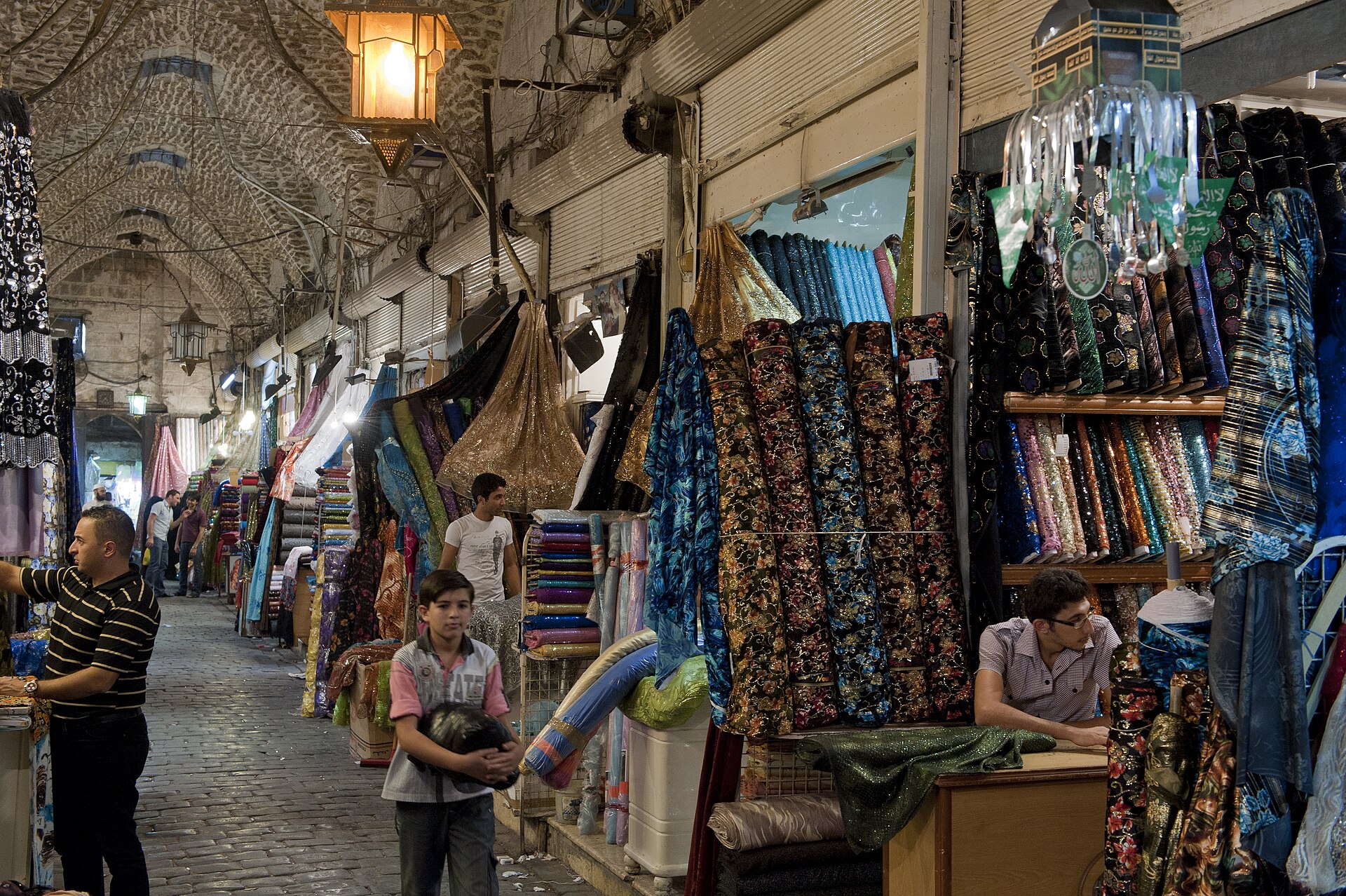
Place and architecture
Buildings, streets, neighborhoods and public spaces shape the practical conditions of everyday life: distance, shade, access, safety and opportunities to meet. Architecture must answer real needs while considering the shared environment beyond a property boundary.
What makes a place useful to people whose circumstances differ? A good proposal must be tested against affordability, maintenance, climate, public services and the experience of those expected to use it.
Material culture and craft
Materials and skills carry knowledge about making, repairing and adapting. Drawing on that knowledge does not require repeating inherited forms or treating age as proof of quality.
The question is how local practices can respond to contemporary needs without losing their depth or reducing craftspeople to decorative suppliers. Payment, working conditions, access to tools and authorship belong in this conversation.
Culture and creative opportunity
Creative work can contribute to livelihoods, public life and cultural expression. Its possibilities depend on conditions: time, training, tools, distribution, fair agreements and people able to encounter and support the work.
Culture cannot substitute for functioning institutions or solve every economic constraint. It can make experience visible, create value and open ways of working whose limits should be examined alongside their promise.
Future imaginaries
Images and stories of possible futures can reveal assumptions that practical plans leave unspoken. Who appears in the imagined city? Who is absent? Which kinds of work and belonging are taken for granted?
An imagined future is a proposition, not a forecast. Its value lies in making alternatives discussable and allowing people to test what they would welcome, change or refuse.
An initiative in the making
Practitioners, researchers, architects, artists, designers, craftspeople, writers and interested members of the public are invited to help shape Xyria. A contribution may begin with a local observation, a question about a material or place, or a proposal for a careful experiment.
Potential research, publishing, film, exhibitions and collaborations are directions for development, not a list of activities already operating.