04Creativity and ProductionEditorial essay
What Makes a Creative Ecosystem?
Talent is only one part of creative production. Skills develop through education, practice, mentorship, collaboration, meaningful briefs, viable markets and the ability to earn a living. Understanding these relationships is essential to any serious discussion of creative development.
- Byline
- Syrian Society Foundation — Editorial
- Reading time
- 3 min read
An editorial working perspective from the initiative. It is not a summary of completed research.
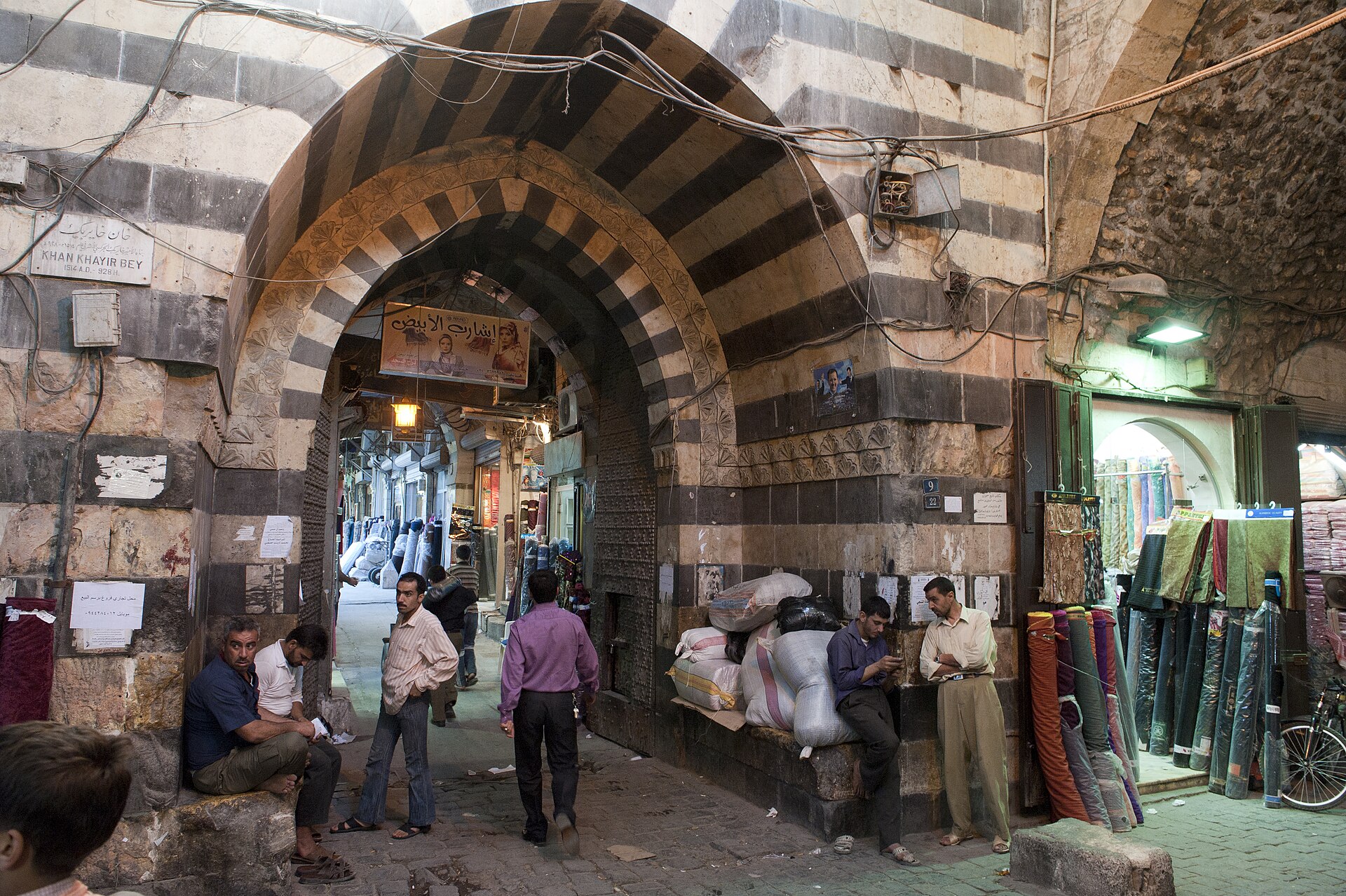
Public conversations about creativity often focus on individuals: the gifted designer, the breakthrough film, the writer who finds an international audience. These stories are real, but they can hide the structures that make sustained creative work possible. Most creative practitioners do not succeed or fail on talent alone. They depend on a web of relationships that either supports their development or wears it down.
The parts of the system
An ecosystem metaphor is imperfect, but it draws attention to interdependence. A working creative ecosystem might include:
- Education that teaches craft, critical thinking and professional practice together.
- Mentorship and apprenticeship, through which tacit knowledge passes between generations.
- Clients who commission work and understand what good work requires.
- Suppliers, fabricators and technicians who can realise ambitious ideas.
- Places to show, discuss and criticise work.
- Audiences and markets willing to pay for it.
- Legal and financial basics: contracts, intellectual property, access to payment systems.
Each part affects the others. Without demanding clients, practitioners rarely develop. Without skilled practitioners, clients default to templates or foreign suppliers. Without criticism, standards drift. Without payment, people leave.
What we do not know
It is tempting to assume which of these parts are weakest in Syria today. We should be careful. Conditions vary greatly between cities, disciplines and communities, and between practitioners inside the country and those working from abroad. Some fields may be stronger than they appear from outside; others may be more fragile. The scale and causes of any gaps need investigation, not assertion.
What can be said with some confidence is that creative work anywhere is sensitive to economic pressure. When incomes are low and uncertainty is high, experimentation is often the first thing to go. Practitioners take whatever work pays, and commissioners choose what feels safe.
Beyond the individual project
If the aim is a durable creative culture rather than occasional success stories, attention needs to move from individual projects to the relationships around them. Questions worth asking include:
- Where do young practitioners learn the parts of their profession that schools do not teach?
- Which businesses and institutions commission original work, and why?
- What prevents practitioners from collaborating across disciplines?
- How do practitioners in Syria and in the diaspora exchange knowledge, and on what terms?
Freedom as a material condition
Discussions of creative work often treat freedom as an abstract value. In practice it is also material: the freedom to experiment depends on rent, electricity, materials, time, the tolerance of clients and the safety to make work that may displease someone. Where these are scarce, practitioners do not stop being creative; they adapt, often by working smaller, safer and faster. Whether that adaptation produces resilience or narrows ambition is an open question.
Rural, urban and dispersed
Creative production is not only an urban phenomenon. Weaving, building, food production, music and repair carry skill in villages and small towns, often outside anything called a creative sector. At the same time, many Syrian practitioners now work across borders, with clients in one country and collaborators in another. A useful map of the ecosystem would have to include all three settings, and the connections, or lack of them, between them.
Limits of this argument
We have not found comprehensive recent data on Syria's creative fields, and the parts of the ecosystem described here are drawn from general reasoning. Practitioners may identify different priorities entirely.
A role for inquiry
The initiative does not intend to build an ecosystem by itself, and could not. What it may contribute is careful description: mapping how creative production actually works across different fields, gathering the experience of practitioners and clients, and identifying where small interventions might matter. This essay is an opening frame for that work, and we welcome corrections from people who know these fields from the inside.
Tags: creative economy, education, markets